

Discussion Questions
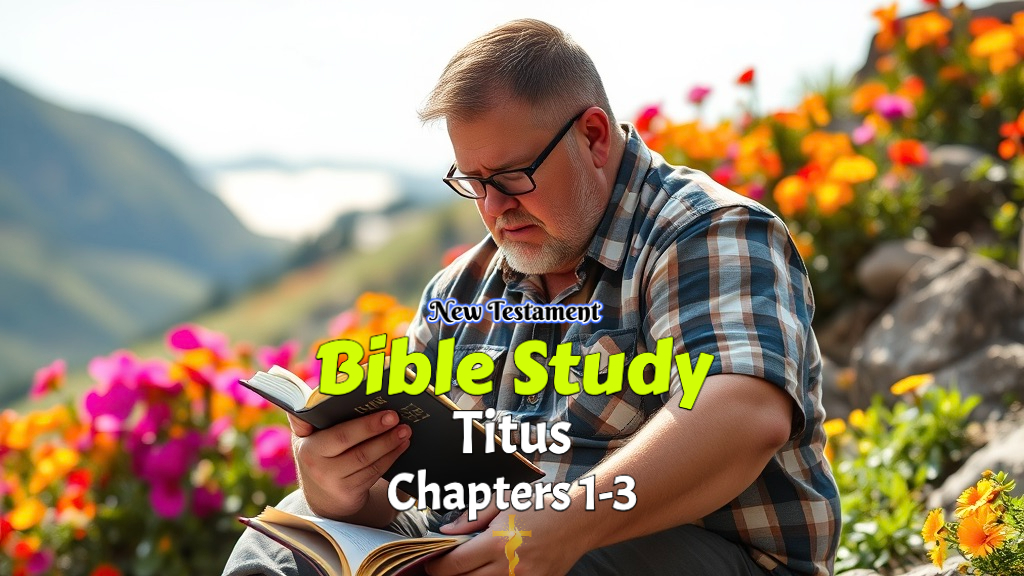
Book of Titus 1-3
Chapter: Titus 1 – Leadership and sound teaching.
Questions: What qualifications does Paul highlight for church leaders in Titus 1? How do these qualifications show the importance of integrity and spiritual maturity in leadership?
Answer: Paul emphasizes qualities like being blameless, self-controlled, hospitable, and devoted to sound doctrine. (“Church Assembly In Westminster”, n.d.) These qualifications underscore the critical need for leaders to model strong moral character. Leaders must have firm faith to guide others effectively and authentically.
Chapter: Titus 2 – Instructions for various groups within the church.
Questions: What roles and conduct does Paul’s teaching in Titus 2 cover for older men? How does it tackle the roles and conduct of older women, younger men, and servants? How does this promote harmony within the church community? How does it encourage discipleship?
Answer: Paul’s guidance encourages mentorship, godly behavior, and mutual respect. (“What does Titus 2:2-6 really mean?”, n.d.) He instructs different groups to live in ways that align with sound doctrine. This fosters a culture of unity within the church. It also encourages spiritual growth.
Chapter: Titus 3 – Living as good citizens.
Questions: Why does Paul stress the importance of submission to authorities in Titus 3? Why does he emphasize good works? How can these practices serve as a testimony to the Gospel?
Answer: Paul highlights that Christians are to show kindness, humility, and obedience to mirror God’s grace. (“Titus 3:1-11 Notes”, n.d.) By living honorably, believers show the transformative power of salvation and draw others to the truth of the Gospel.
Chapter: Titus 3 – Final instructions and encouragement.
Questions: The Book of Titus includes only three chapters. What final encouragement or reflection would you draw from Paul’s overall message in this epistle? How can it inspire modern Christian living?
Answer: Paul’s emphasis on sound teaching, good works, and living out faith in practical ways remains timeless. (Jeon, n.d.) His words remind believers today to balance their spiritual growth with active love and service in their communities.
Closing: The Book of Titus challenges Christians to lead with integrity. It encourages them to live with purpose. They are urged to show Christ in their daily lives. This study encourages us to grow in faith and action as a community of believers.






 Light in truth