

Discussion Questions
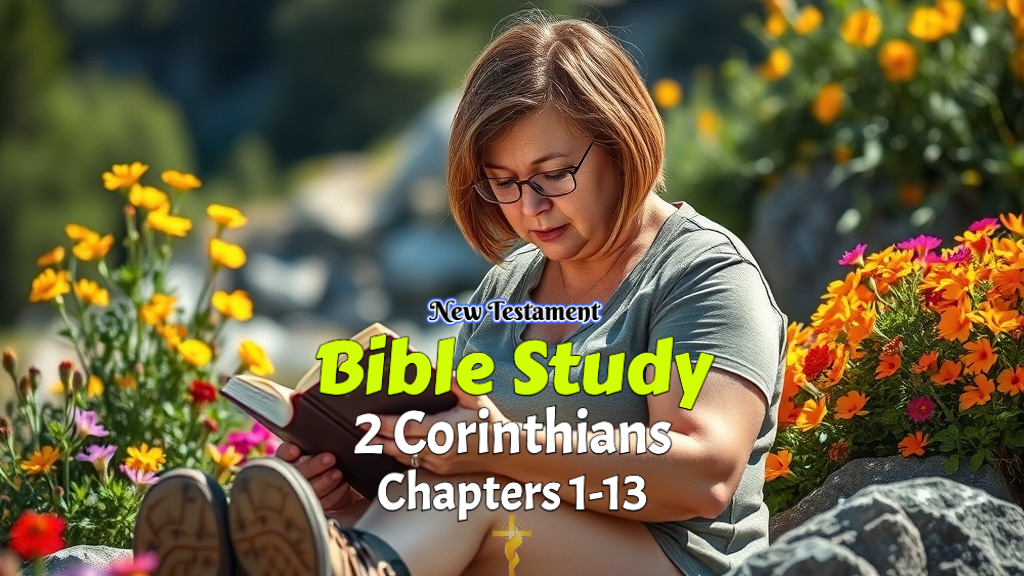
The Books of 2 Corinthians, Chapter 1 to 13
2 Corinthians 1: Comfort in Suffering and God’s Faithfulness
Question: How does Paul’s experience of suffering and comfort offer insight? How can believers respond to personal hardships? How can they support others?
Answer: Paul shares that God comforts us in our trials so we can comfort others. This reminds believers that struggles are opportunities to rely on God. They are a chance to offer compassion to others who are hurting. This creates deeper connections within the faith community.
2 Corinthians 2: Forgiveness and Restoration
Question: Why does Paul emphasize forgiving the individual who caused pain? How does this align with the message of Christ?
Answer: Paul encourages forgiveness to prevent overwhelming sorrow and to affirm love. Forgiveness reflects Christ’s grace. It prevents bitterness. This allows restoration and healing in relationships. It strengthens the body of believers and glorifies God.
2 Corinthians 3: The Glory of the New Covenant
Question: What is the significance of the contrast between the old and new covenants described by Paul?
Answer: Paul contrasts the fading glory of the law with the enduring glory of the Spirit. The new covenant offers freedom and transformation through the Spirit. It reveals that our relationship with God is now personal and empowering. It is not solely rule-based.
2 Corinthians 4: Treasure in Jars of Clay
Question: How does Paul’s metaphor of jars of clay help us understand human weakness and God’s power?
Answer: The fragile jars symbolize human frailty, while the treasure reflects God’s power within us. This shows that our weaknesses magnify God’s strength. It reminds us to rely on Him for purpose. It encourages perseverance in challenging times.
2 Corinthians 5: Ministry of Reconciliation
Question: How does Paul’s teaching on being a new creation change a believer’s identity? How does being an ambassador for Christ influence their mission?
Answer: Being a new creation means leaving behind the old, sinful self and embracing a life centered on Christ. As ambassadors, believers are entrusted to represent Christ and share the message of reconciliation, living purposefully and reflecting God’s love.
2 Corinthians 6: Paul’s Hardships and Call to Holiness
Question: How does Paul’s example of enduring hardships encourage believers to keep faith and pursue holiness?
Answer: Paul’s endurance through trials demonstrates unwavering commitment to Christ. His life reminds believers to rely on God’s strength in difficulties. They should live set apart. Maintaining integrity serves as a witness to God’s faithfulness.
2 Corinthians 7: Godly Sorrow and Repentance
Question: How does Paul distinguish between godly sorrow and worldly sorrow, and why is this distinction important?
Answer: Godly sorrow leads to repentance and salvation without regret, while worldly sorrow results in despair. This distinction emphasizes that true repentance is transformative. It turns believers back to God. It fosters renewed commitment and joy in Him.
2 Corinthians 8: Generosity and Giving
Question: What principles does Paul outline about giving, and how can believers apply these in their lives today?
Answer: Paul encourages joyful, willing, and sacrificial giving, modeled after Christ’s generosity. Believers can apply this by supporting others with resources, time, and love. They should view giving as an act of worship and trust in God’s provision.
2 Corinthians 9: The Cheerful Giver
Question: How does Paul’s teaching on cheerful giving encourage believers to trust in God’s provision?
Answer: Paul reminds us that God loves cheerful givers and will supply our needs. Trusting God frees believers to give generously, knowing that God uses their contributions to bless others and multiply His work.
2 Corinthians 10: Spiritual Warfare and Humility
Question: How does Paul’s emphasis on spiritual warfare challenge believers to rely on God rather than worldly approaches?
Answer: Paul highlights that spiritual battles need divine power, not human strength. Believers need to demolish arguments against God. They rely on prayer, Scripture, and humility to stand firm. This reflects God’s authority and wisdom.
2 Corinthians 11: Paul’s Suffering for the Gospel
Question: What can believers learn from Paul’s willingness to endure suffering for the sake of Christ?
Answer: Paul’s endurance reveals that serving Christ brings hardships, but God’s strength sustains us. Believers are encouraged to persevere, focusing on eternal rewards rather than temporary struggles, and trusting that God is always here.
2 Corinthians 12: Paul’s Thorn in the Flesh
Question: How does Paul’s response to his thorn in the flesh teach believers about God’s grace in weakness?
Answer: Paul’s acknowledgment of God’s grace demonstrates that weaknesses can show God’s power. Believers can find comfort knowing that dependence on God leads to strength. They can also trust that His grace is enough for every challenge they face.
2 Corinthians 13: Final Warnings and Encouragement
Question: How does Paul’s call to self-examination and encouragement to strive for unity apply to modern believers?
Answer: Paul urges self-reflection to guarantee faith is genuine, promoting spiritual growth. His call for unity reminds believers to pursue peace. It encourages support within the community. This reflects Christ’s love and strengthens the church’s witness.
Closing Paragraph:
2 Corinthians reminds believers of God’s grace, strength in weakness, and the call to live as Christ’s ambassadors. Paul’s words encourage growth, unity, and reliance on God, inspiring Christians to persevere in faith and love.






 Light in truth