

Discussion Questions

The Book of John 1 – 12
John 1: The Word Became Flesh
Question: How does the concept of the Word in John 1:1-14 shape our understanding of Jesus’ divinity and humanity? Why is this important for our faith today?
Answer: The term the Word reflects Jesus as both fully divine and fully human. He acts as the bridge between God and humanity. This foundation is essential because it helps believers see Jesus not just as a teacher or prophet. They see Him as God in human form. He lives among us to reveal God’s love and purpose.
John 2: Jesus Turns Water into Wine
Question: In the wedding at Cana, what does Jesus’ first miracle reveal about His nature and priorities?
Answer: This miracle shows Jesus’ compassion and attentiveness to human needs. By transforming water into wine, He highlights God’s abundant grace. It also foreshadows the spiritual transformation He offers, turning the ordinary into something extraordinary.
John 3: Jesus and Nicodemus
Question: What does Jesus mean by being born again in John 3? How can this concept influence our spiritual lives?
Answer: Being born again refers to spiritual renewal through faith in Christ and the work of the Holy Spirit. This transformative experience shifts our focus from earthly concerns to eternal values, shaping how we live and relate to God.
John 4: The Samaritan Woman at the Well
Question: How does Jesus’ interaction with the Samaritan woman show His mission to break down social barriers?
Answer: Jesus’ conversation with the woman challenges cultural norms, emphasizing that His salvation is for all people. By addressing her deepest needs, He shows God’s desire to reach everyone, regardless of background, gender, or past mistakes.
John 5: Healing at the Pool of Bethesda
Question: What does the healing of the invalid at Bethesda teach us about faith and Jesus’ authority?
Answer: This healing highlights the importance of trust in Jesus’ power, even when circumstances seem hopeless. It also demonstrates His authority to heal physically and spiritually, inviting us to rely on Him completely.
John 6: Feeding the Five Thousand
Question: What can we learn from Jesus’ feeding of the five thousand about God’s provision and our role in serving others?
Answer: Jesus shows that God’s resources are limitless and that He cares for both physical and spiritual needs. Believers are called to bring what they have, trusting God to multiply it for His purposes in serving others.
John 7: Jesus at the Feast of Tabernacles
Question: How does Jesus’ teaching at the Feast of Tabernacles emphasize the importance of living water, and what does this symbolize for us?
Answer: Jesus’ reference to living water symbolizes the Holy Spirit’s transformative work in believers’ lives. It reminds us of our dependence on God for spiritual renewal and the fulfillment only He can give.
John 8: The Woman Caught in Adultery
Question: How does Jesus’ response to the woman caught in adultery balance justice and mercy? What can we learn from this?
Answer: Jesus upholds justice by acknowledging the seriousness of sin. He extends mercy by offering forgiveness. Jesus also provides a chance for repentance. This teaches us to approach others with both truth and compassion, reflecting God’s character.
John 9: Healing the Man Born Blind
Question: What does the healing of the man born blind teach about spiritual blindness and God’s power to transform lives?
Answer: The story illustrates that physical healing mirrors the spiritual sight Jesus gives. It challenges us to recognize our own spiritual blindness. We must trust God to open our eyes to His truth and purpose.
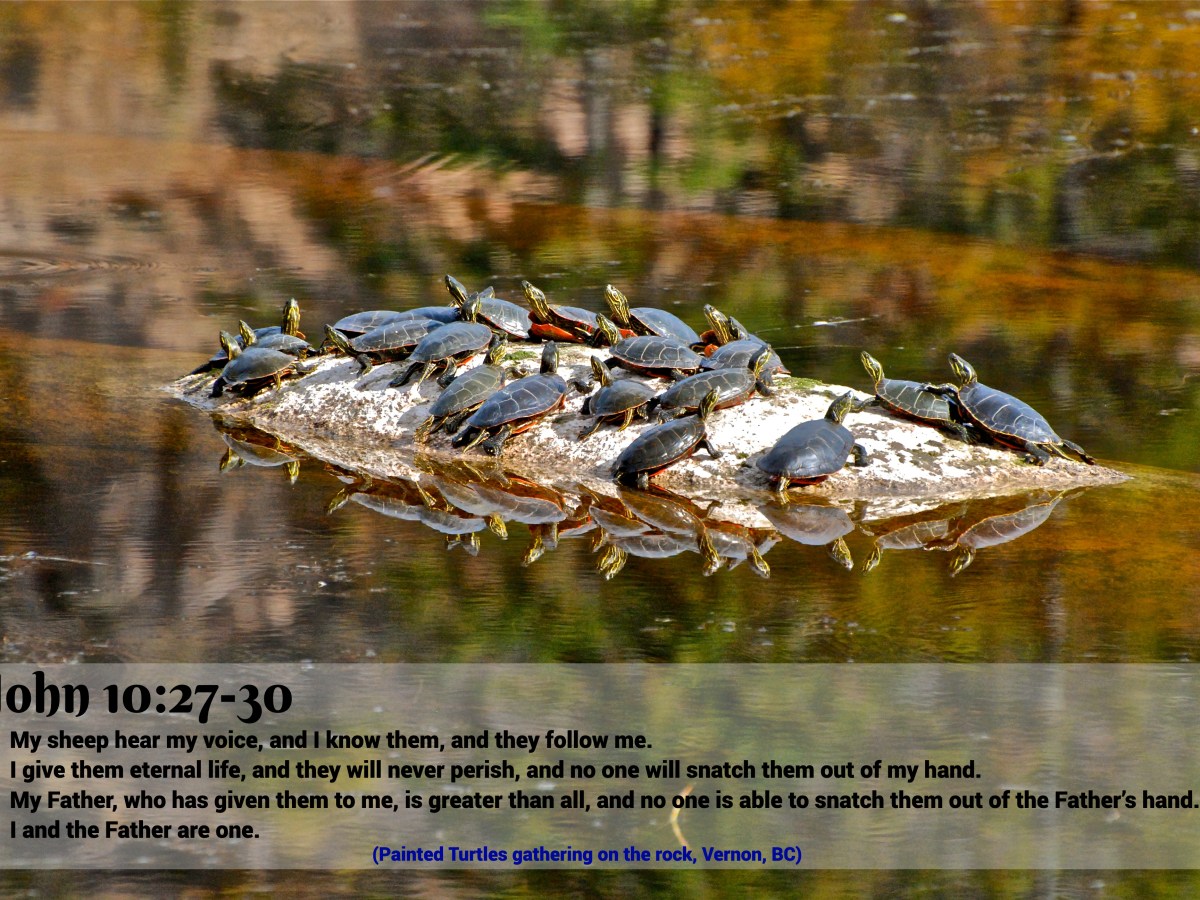
John 10: The Good Shepherd
Question: What does Jesus’ role as the Good Shepherd reveal about His care and commitment to His followers?
Answer: Jesus portrays Himself as a protector and provider who knows His followers personally. His willingness to lay down His life shows His deep love. He assures us that He will guide and guard us faithfully.
John 11: The Raising of Lazarus
Question: How does Jesus’ raising of Lazarus reveal His power over death and point to His ultimate mission?
Answer: This miracle demonstrates Jesus’ authority over life and death, foreshadowing His own resurrection. It reassures believers of the promise of eternal life and God’s ability to bring hope in seemingly impossible situations.
John 12: Jesus Anointed at Bethany
Question: How does Mary’s act of anointing Jesus with expensive perfume show true worship? How can we apply this in our lives?
Answer: Mary’s sacrifice illustrates wholehearted devotion and recognition of Jesus’ worth. It invites us to worship with gratitude and generosity, offering our best to God without fear of others’ judgment.
John 1-12 introduces us to Jesus’ mission, identity, and teachings, inspiring deeper faith and reflection. These chapters challenge us to embrace transformation. They encourage us to share God’s love. We are urged to trust in His power to lead us into abundant life.




 Light in truth