

For Tea and Tincture
In biblical times, herbs were essential, offering practical benefits and spiritual meanings. Common herbs like thyme, rosemary, and mint were used for flavouring, healing, and religious ceremonies. Some herbs played a role in sacred rituals and anointing oils, reflecting the people’s connection to the divine and their understanding of nature’s importance.
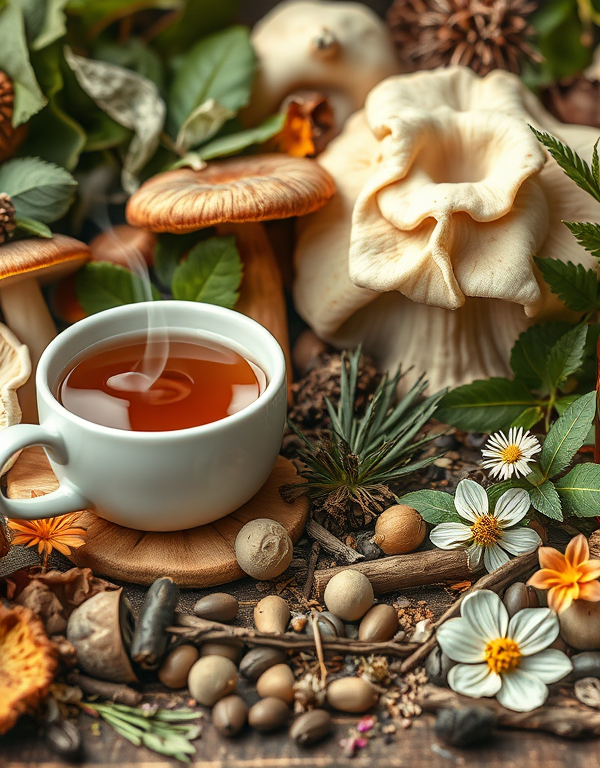
Herbs were crucial for survival and had roles beyond just food. The Bible references hyssop in purification rites, bridging the physical and spiritual. These plants were important in traditional medicine and cooking, showing community identity. In ancient times, herbs like sage and rosemary were grown with respect for nature and had symbolic meaning in rituals, connecting human life to nature.
The cultivation and gathering of these herbs brought people together, fostering friendships and a shared knowledge of their properties. Understanding how herbs were used in biblical times provides insight into ancient customs, demonstrates how people relied on natural resources for food and health, and helps us appreciate the essential role herbs play in different cultures today.
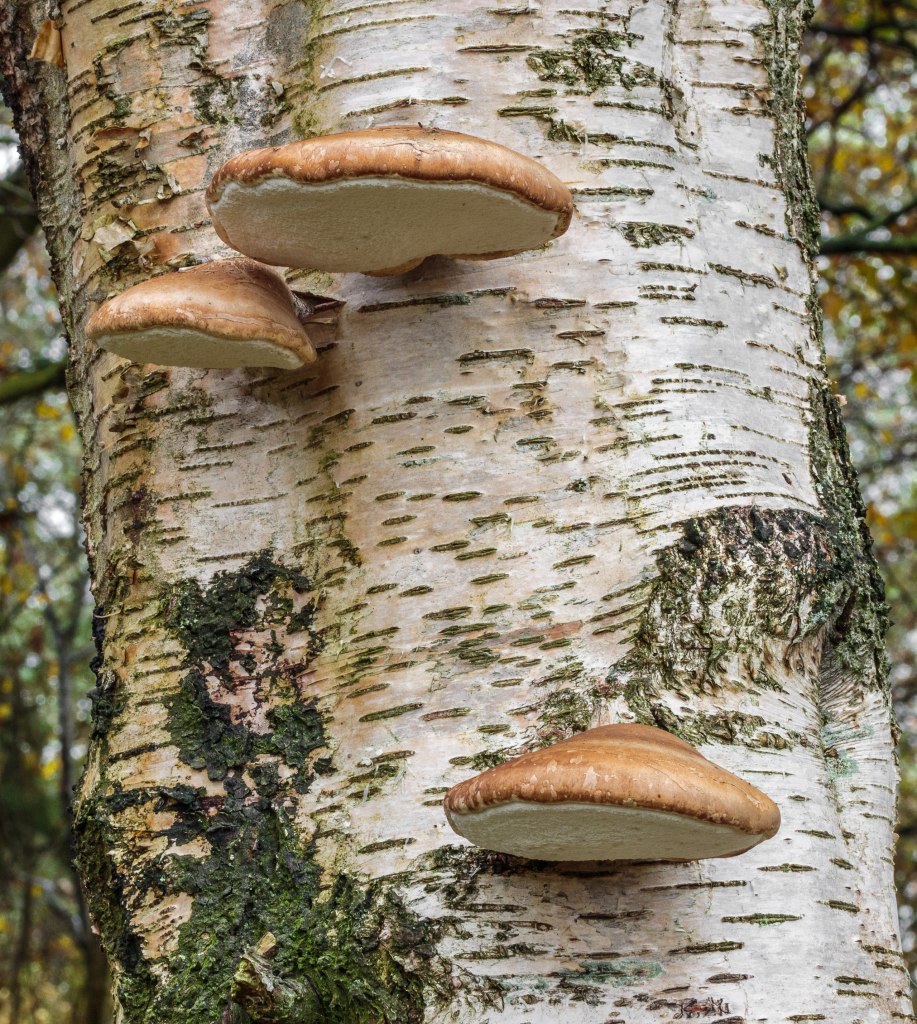
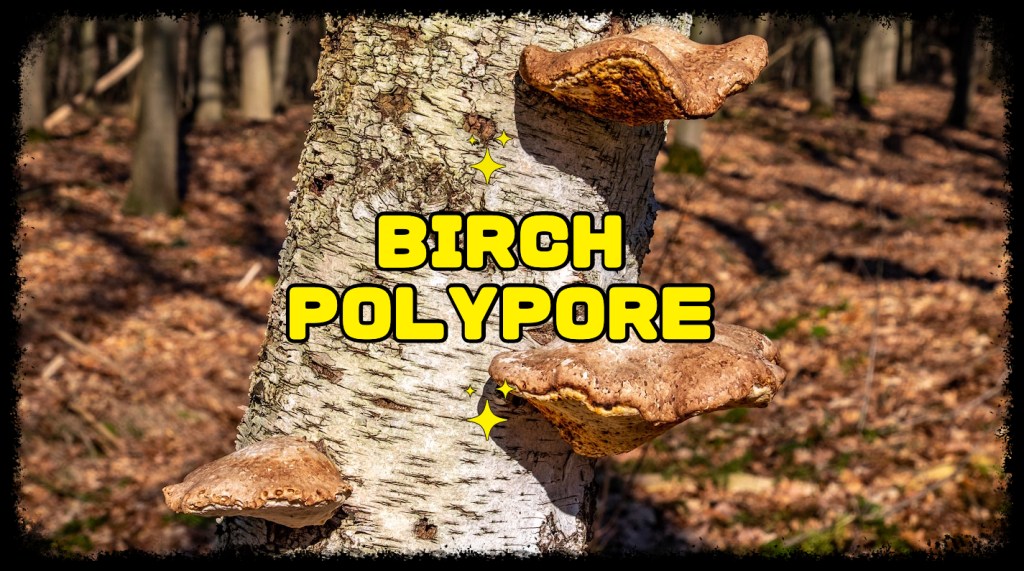
Birch Polypore, or Fomitopsis betulina, is a medicinal mushroom found on birch trees, characterized by its smooth, hoof-like shape and pale brown to white colours. Traditionally used to boost immunity, heal wounds, and alleviate digestive issues, it earned the nickname Razor Strop Fungus for sharpening blades. Rich in bioactive compounds and antioxidants, Birch Polypore supports overall health. This article explores its growth in the Northern Hemisphere, health benefits, history, and modern herbal uses.
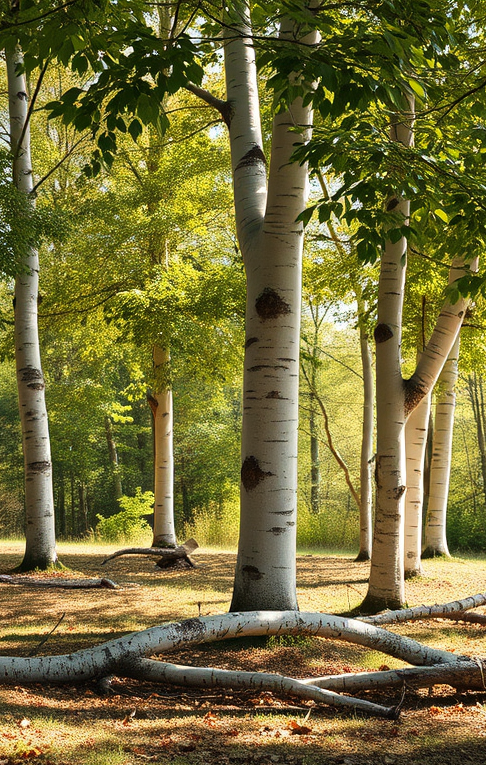
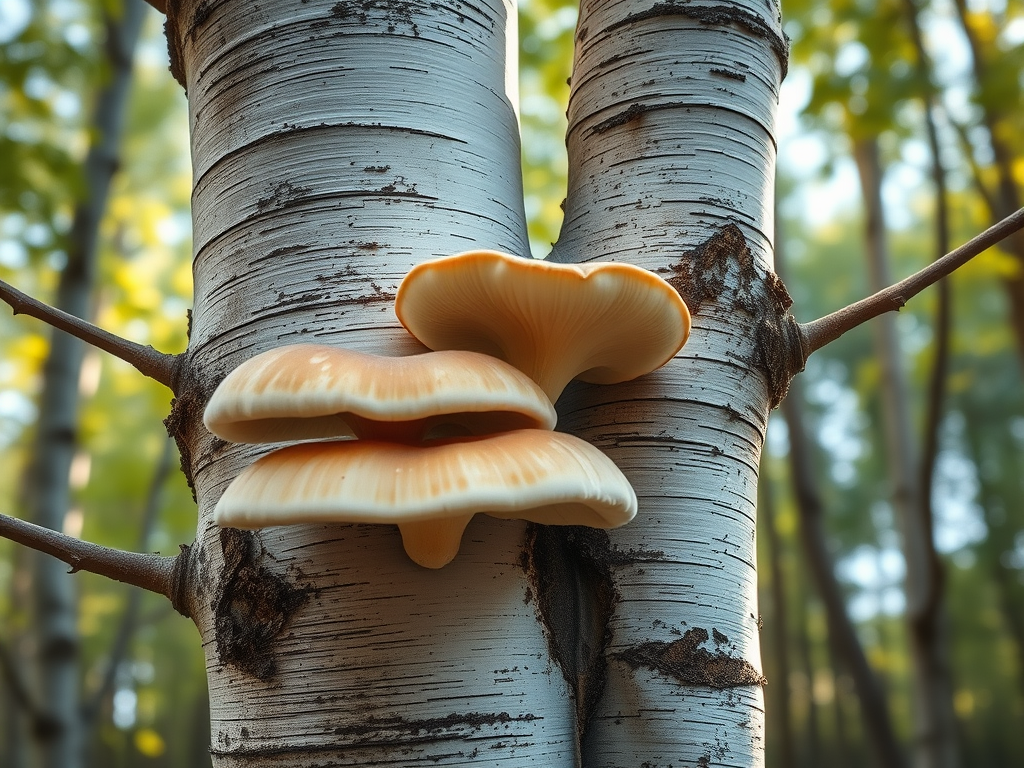
Birch Polypore (Fomitopsis betulina) thrives in cool, temperate regions of the Northern Hemisphere, predominantly on dead or decaying birch trees. This fungus plays a crucial ecological role by decomposing wood and aiding nutrient cycling in forest ecosystems. It is commonly found on birch trunks in forests, woodland edges, or urban areas with birch trees, preferring moderate moisture and shade typical of boreal and temperate forests.
Cultivation of Birch Polypore is less common than that of other mushrooms but can be achieved using birch logs or wood chips as substrates. Inoculating birch wood with Birch Polypore spores in a moist, shaded environment encourages slow growth. Foragers typically harvest wild fungi from birch trees, ensuring a sustainable approach that respects local ecosystems.
Antimicrobial properties: Birch Polypore contains compounds with strong antimicrobial effects, helping to combat bacterial, viral, and fungal infections. Historically, it was used to prevent wound infection.
Immune support: The mushroom has immunomodulatory properties that help regulate and enhance immune function, making it useful for boosting immunity and aiding recovery from illnesses.
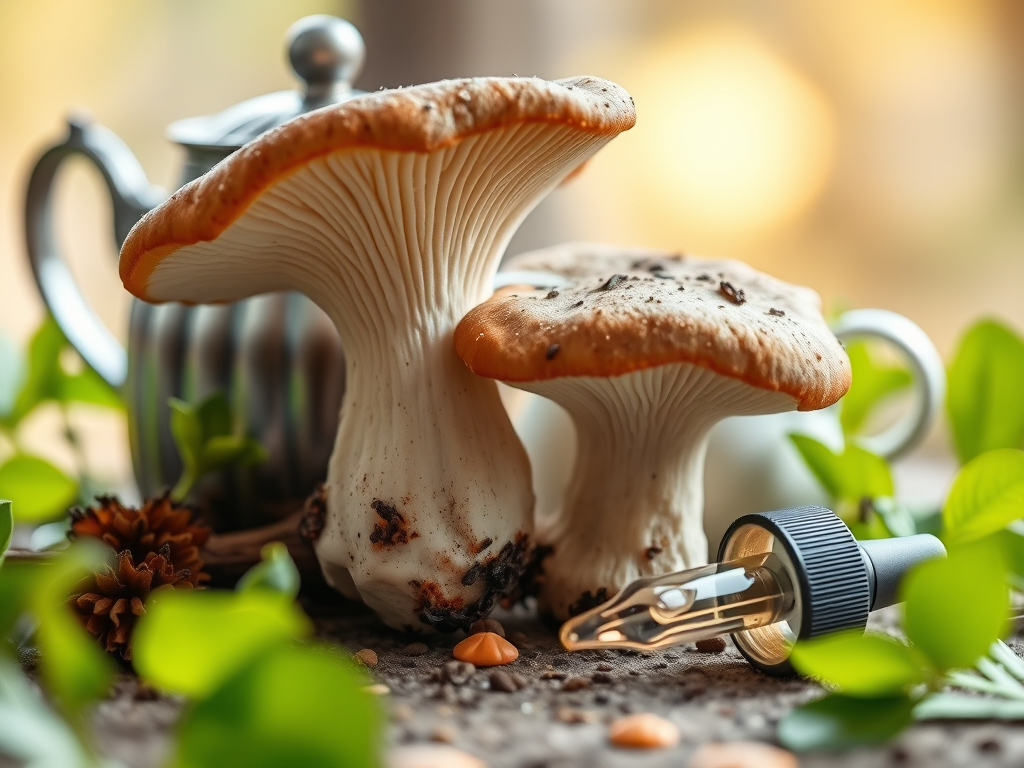
Anti-inflammatory effects: Birch Polypore has been studied for its potential to reduce inflammation, supporting the management of chronic inflammatory conditions or general wellness.
Antioxidant activity: Rich in bioactive compounds, Birch Polypore works as an antioxidant, protecting cells from oxidative stress and damage caused by free radicals. This may support aging healthily and reduce the risk of chronic diseases.
Wound healing: Traditionally used to dress wounds, the fungus has natural antiseptic properties that may promote faster healing and protect wounds from infection.
Digestive health: The mushroom contains compounds that support gastrointestinal health, including antimicrobial agents that help maintain gut flora balance and support a healthy digestive system.
Anti-cancer potential: Early research suggests Birch Polypore may exhibit anti-tumour properties, potentially inhibiting the growth of specific cancer cells. However, more studies are required to confirm this use.
Antiviral properties: Birch Polypore is effective against certain viruses, including influenza. Its natural compounds may inhibit viral replication in the body.
Blood sugar regulation: Some studies indicate that Birch Polypore may help regulate blood sugar levels, supporting individuals with diabetes or prediabetes in managing their condition.
Parasitic control: Traditionally used to expel intestinal parasites, Birch Polypore exhibits natural antiparasitic properties that may help address such issues.
Stress management: As an adaptogen, Birch Polypore may help the body manage stress and maintain balance during challenging times.
Liver support: Some evidence suggests that it may support liver health by protecting against toxins and promoting detoxification.
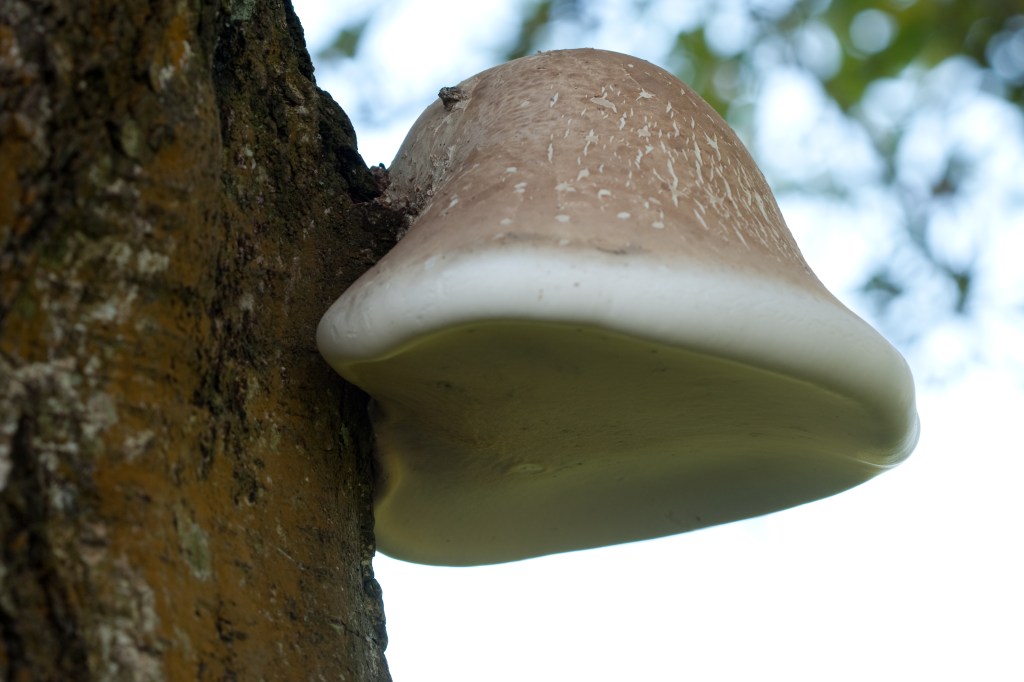
Respiratory health: Birch Polypore is used for lung conditions like bronchitis, thanks to its anti-inflammatory and antimicrobial properties.
Skin health: Its antimicrobial and anti-inflammatory properties make this fungus useful in topical preparations for acne and infections.
The diverse medicinal benefits of Birch Polypore stem from its unique compounds, which support health and wellness. Always consult a healthcare provider before using it medicinally.
Scientific research on Birch Polypore (Fomitopsis betulina) has identified bioactive compounds that may benefit health. Some studies indicate it can combat pathogens, including bacteria, fungi, and viruses, such as Staphylococcus aureus and Escherichia coli, suggesting it could help treat infections.

Birch Polypore enhances immune function by boosting cytokine production, making it a strong ally against infections. Research on polysaccharides from this fungus shows that they activate macrophages, key cells in defending against pathogens.
Birch Polypore’s anti-inflammatory and antioxidant activities have also garnered attention. Research shows that its compounds can reduce inflammation by inhibiting certain enzymes and pathways involved in inflammatory responses. This action, combined with its antioxidant properties, suggests potential benefits for conditions associated with chronic inflammation, such as arthritis and cardiovascular disease.
Emerging studies on its anti-cancer potential are particularly promising. Laboratory experiments have shown that certain compounds in Birch Polypore may inhibit the growth of cancer cells, including those of the breast and colon. While these findings are preliminary, they highlight the need for further research to explore its role in oncology.
In addition to its internal health benefits, investigations into its use for wound healing have confirmed its antimicrobial and protective properties. Historical evidence of its use as a wound dressing is supported by studies demonstrating its efficacy in preventing infection and promoting tissue repair.
While additional human clinical trials are needed to confirm these benefits, current research provides valuable insights into the broad therapeutic potential of Birch Polypore. Its safety, combined with its wide-ranging actions, positions it as an exciting area of study in natural medicine.
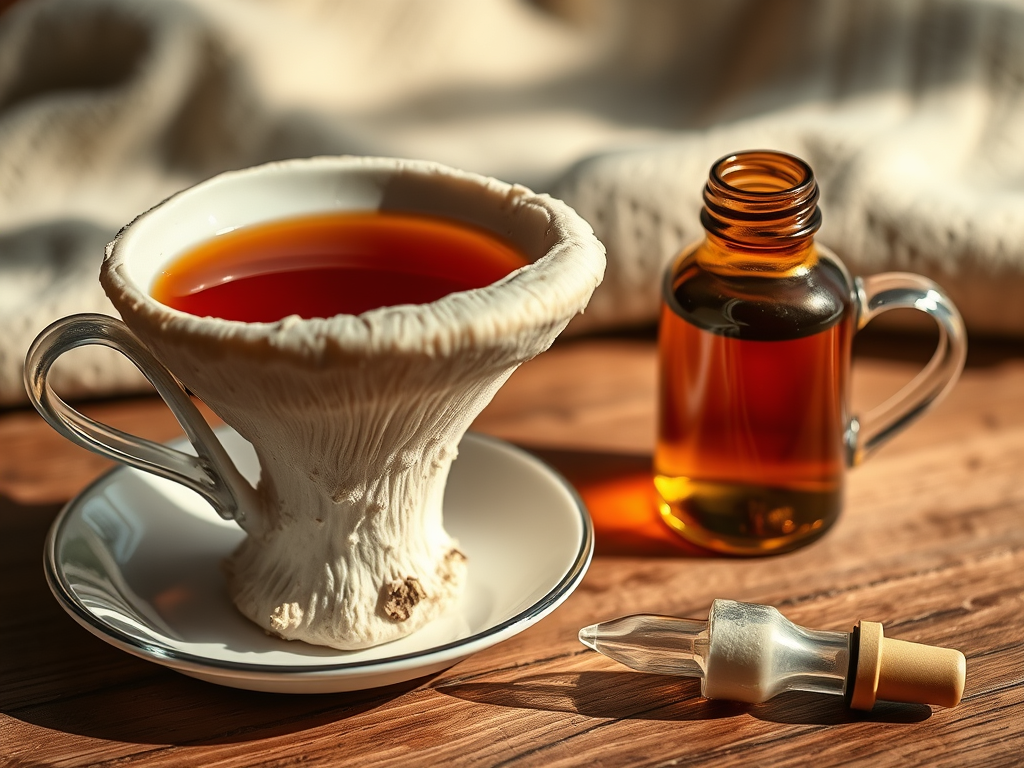
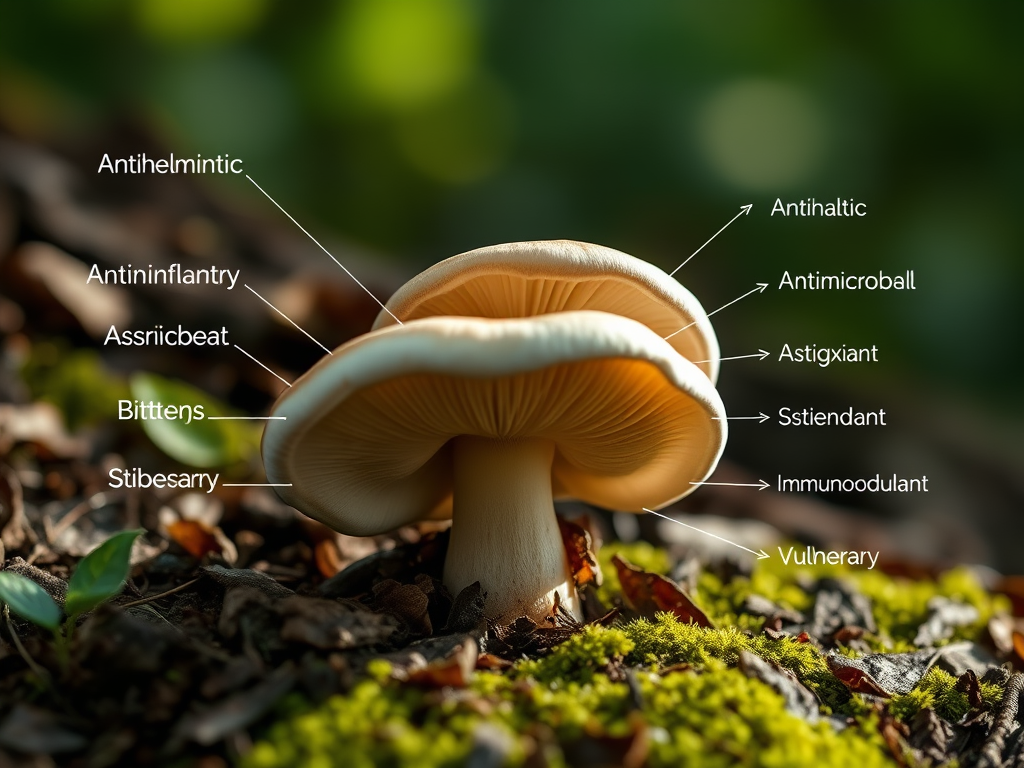
Birch Polypore (Fomitopsis betulina) is rich in bioactive compounds that confer a wide range of medicinal properties. Among its most studied constituents are polysaccharides, triterpenoids, and polyphenols. These compounds play key roles in the mushroom’s antimicrobial, anti-inflammatory, antioxidant, and immune-supporting effects.
One of the primary components is polysaccharides, particularly beta-glucans. These are known for their immunomodulatory properties, which help regulate and enhance immune function. Beta-glucans stimulate macrophages and other immune cells, making them essential for fighting infections and supporting overall health.
Triterpenoids, including polyporenic acids A and B, are another important class of compounds found in Birch Polypore. These exhibit strong antimicrobial properties, effectively targeting harmful bacteria, viruses, and fungi. Polyprenic acids also contribute to the mushroom’s anti-inflammatory and potential anti-cancer effects.
Polyphenols, potent antioxidants, help protect cells against oxidative stress and free-radical damage. These compounds may reduce the risk of chronic conditions such as cardiovascular disease, diabetes, and neurodegenerative disorders.
Other notable constituents include ergosterol, a precursor of vitamin D that supports skin and bone health, and fatty acids, which maintain cellular integrity and support various metabolic processes. Birch Polypore also contains chitin, a structural polysaccharide that contributes to its tough texture and may have prebiotic effects on gut health.
In terms of its antibiotic potential, Birch Polypore is particularly intriguing. It contains natural antibiotics, such as piptamine, which has demonstrated activity against bacteria, including Staphylococcus aureus. Its antimicrobial activity is not limited to bacteria; it also exhibits activity against certain fungi and viruses, which is why it has historically been used for wound care and infection prevention.
Additional bioactive compounds include lignin derivatives, which may contribute to the mushroom’s antioxidant and detoxifying properties, and phenolic acids, which are linked to its anti-inflammatory and antimicrobial effects. Minerals such as potassium, magnesium, and calcium are also present in small amounts, adding to its overall nutritional value.
Together, these compounds make Birch Polypore a potent medicinal mushroom with numerous applications. However, its use should be approached with caution, and consultation with a healthcare provider is recommended to ensure suitability for individual needs.
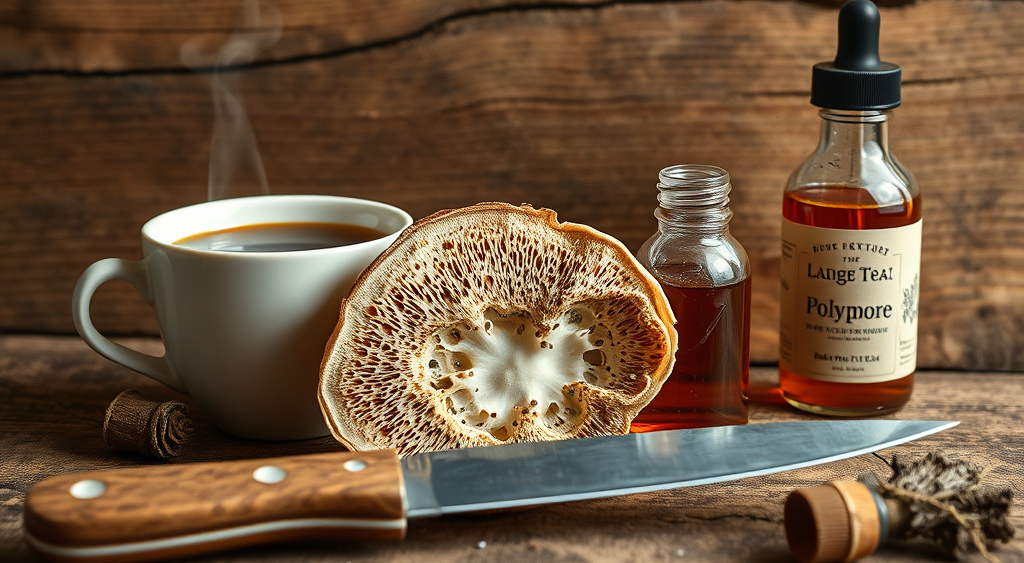
Birch Polypore (Fomitopsis betulina) has been valued for its medicinal properties for centuries. Ancient healers used it as a wound dressing for its antibacterial effects. Otzi the Iceman, a mummy from 3300 BCE, was found with Birch Polypore.
Likely for its medicinal benefits, including its ability to expel parasites and support digestive health. Indigenous communities also used the mushroom to treat infections, manage inflammation, and enhance overall resilience to illness.
Historically, Birch Polypore (Fomitopsis betulina) has been utilized for its medicinal and practical properties across various cultures. Ancient healers in Europe used it as a wound dressing because of its antimicrobial and antiseptic properties, which helped prevent infections and promote healing. Otzi the Iceman, a natural mummy from around 3300 BCE, was found carrying Birch Polypore, likely for its medicinal benefits, including its ability to expel parasites and support digestive health. Indigenous communities also used the mushroom to treat infections, manage inflammation, and enhance overall resilience to illness.
In traditional medicine, Birch Polypore was often dried, ground, and brewed into teas to support immune function or address gastrointestinal issues. It was also valued for its ability to stop bleeding and protect wounds when applied topically.
Today, Birch Polypore remains appreciated for its health benefits. It is commonly used in teas, tinctures, capsules, and powders to support immune health, reduce inflammation, and protect against oxidative stress. Modern applications include its use as a complementary therapy for managing chronic conditions such as diabetes, cardiovascular disease, and digestive imbalances. Its potential to support cancer treatments and promote liver health is also being explored. Although less well known than some other medicinal mushrooms, it is a respected component of contemporary natural medicine.
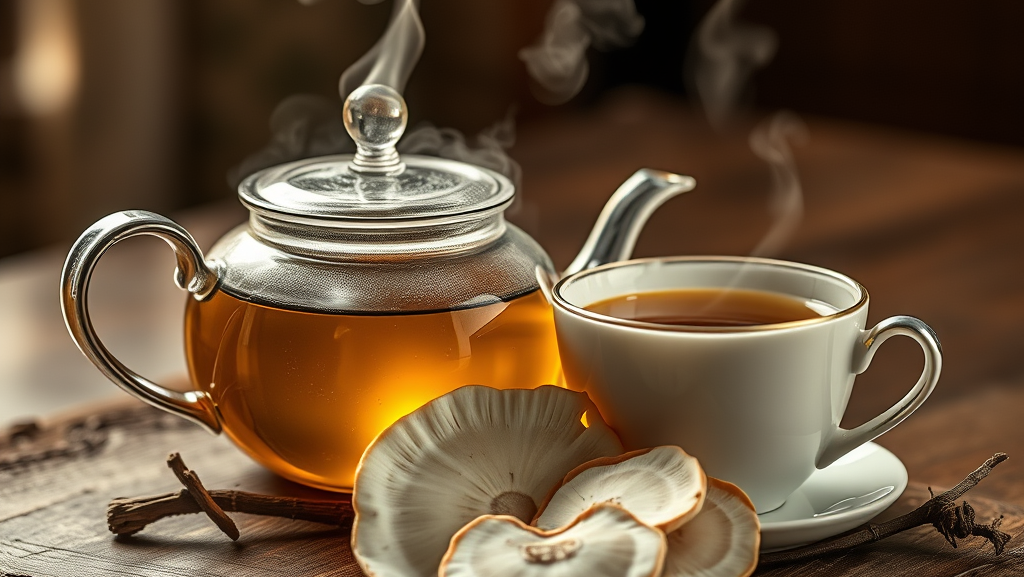
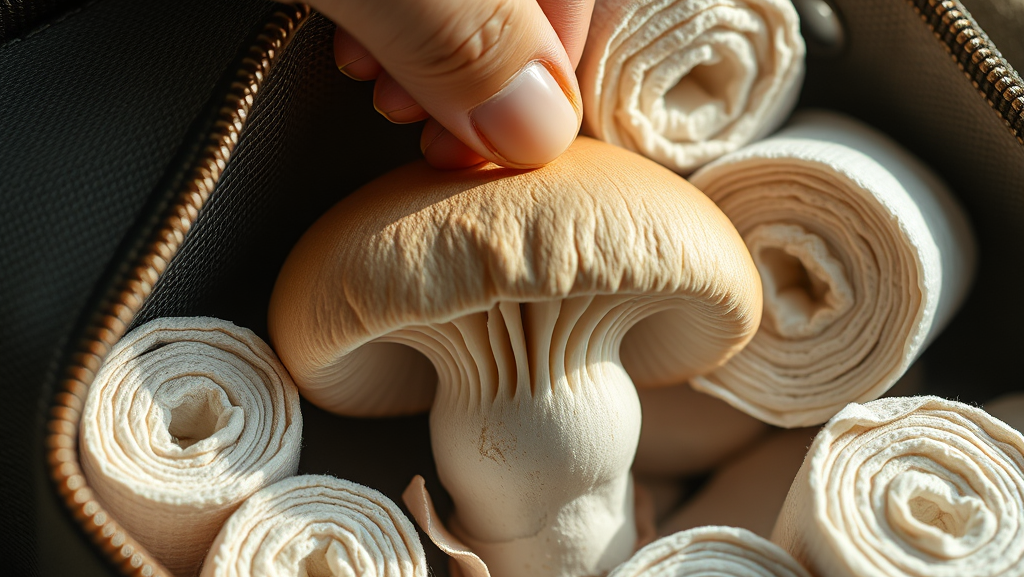
For those seeking natural ways to support their health, Birch Polypore offers several practical self-help applications. Its versatility makes it a popular choice for personal use, especially when addressing common health concerns. Here are some ways you can incorporate this medicinal mushroom into your routine:
Immune support tea: Brewing Birch Polypore into a tea is one of the easiest ways to enjoy its benefits. Slice the dried mushroom into small pieces, simmer them in water for about 30–45 minutes, and drink the strained liquid. This tea can help bolster the immune system and may be especially beneficial during cold and flu season. Adding a small amount of honey or ginger can enhance the flavour and provide additional health benefits.
Topical wound care: Birch Polypore’s natural antiseptic properties make it a handy addition to your first-aid kit. Dried mushroom powder can be sprinkled directly onto minor wounds to help prevent infection. For those who enjoy DIY remedies, a salve made with Birch Polypore extract can also be applied to cuts, scrapes, or irritated skin.
Digestive aid: If you experience occasional stomach discomfort, Birch Polypore may offer relief. Its antimicrobial properties can help maintain a healthy balance of gut flora. Consuming it as a tea or tincture is a simple way to support digestive health.
Stress relief: Known for its adaptogenic qualities, Birch Polypore may help the body manage stress. Regularly drinking tea or using tinctures may promote a sense of balance and calm over time.
Foraging enthusiasts can harvest Birch Polypore from birch trees, but ensure you correctly identify the mushroom and collect it sustainably. Always clean and dry it thoroughly before use. If wild foraging isn’t for you, high-quality Birch Polypore products, such as powders, tinctures, or capsules, are available online or at health food stores. Before incorporating it into your regimen, consult a healthcare provider, especially if you’re managing existing conditions or taking medications.
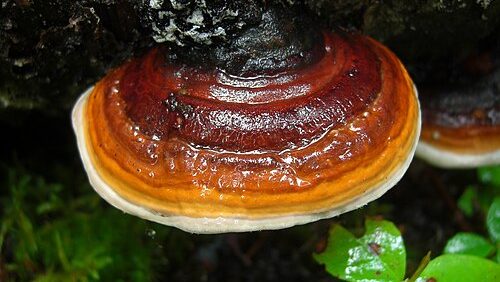
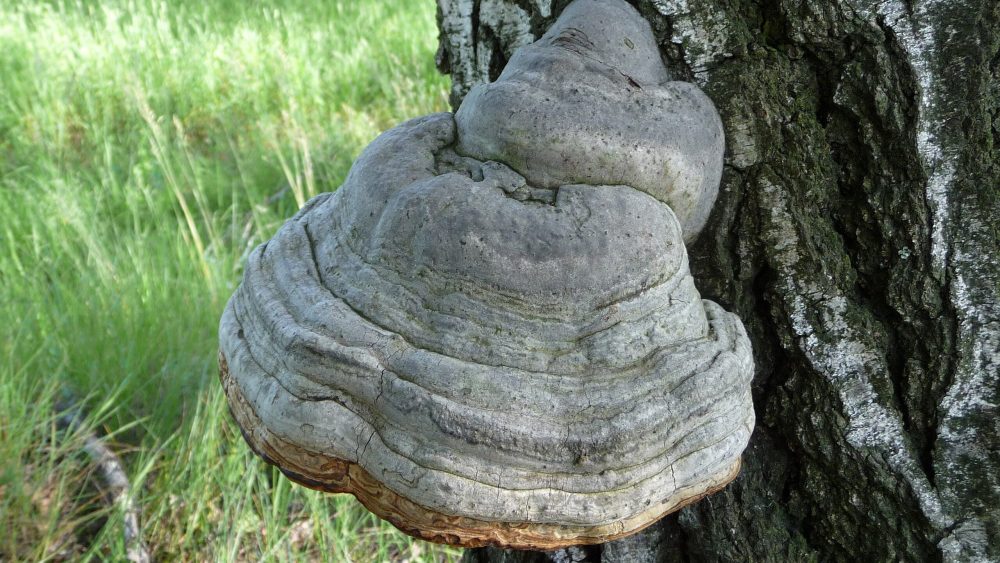
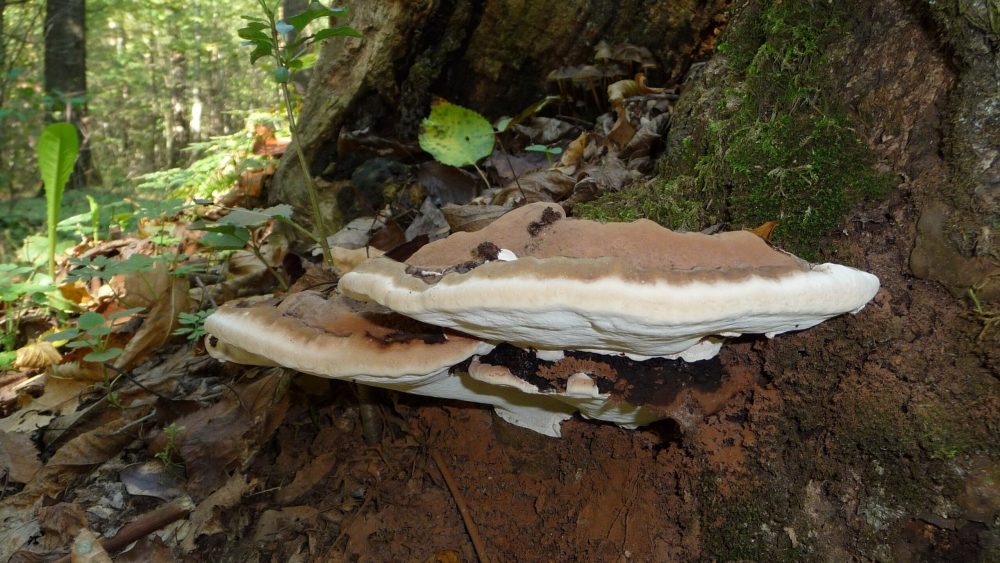
Birch Polypore (Fomitopsis betulina) is part of the Fomitopsidaceae family, which includes other related fungi with similar ecological roles and medicinal properties. One closely related species is the Red-Belted Polypore (Fomitopsis pinicola), commonly found on conifers. Unlike Birch Polypore, which predominantly grows on birch trees, the Red Belted Polypore thrives on a range of hosts, including pine and spruce. Both share antimicrobial and immune-supporting properties, though the Red Belted Polypore is typically larger and features a distinctive reddish band along its edges.
Another notable relative is the Artist’s Conk (Ganoderma applanatum), which, like Birch Polypore, has long been used in traditional medicine. The Artist’s Conk is characterized by a hard, shelf-like fruiting body and a smooth underside that darkens when scratched, hence its name. While both mushrooms exhibit immune-boosting and antioxidant effects, the Artist’s Conk is often preferred for its decorative and medicinal uses in cultures worldwide.
The Tinder Fungus (Fomes fomentarius), also known as the tinder fungus, has historical applications. Both have been used as fire-starters and for wound care due to their absorbent properties and antimicrobial activity. However, the Tinder Fungus is typically larger and more complex, with a gray to black exterior, compared with the smooth, lighter surface of Birch Polypore.
These related species highlight the ecological diversity and shared medicinal potential of polypores, though each brings unique traits and applications.
Another problem is coping with pain and hard times. Whether they are personal issues—health or financial problems—or major issues that affect the world, such as war and natural disasters, believers take heart in Peter’s reminder here: suffering is temporary and serves a purpose. He speaks of the hope of eternal life in Christ and urges us to view trials as opportunities to grow in faith and glorify God (1 Peter 1:6-7). This perspective enables Christians to endure life’s challenges and difficulties with peace and confidence in God.
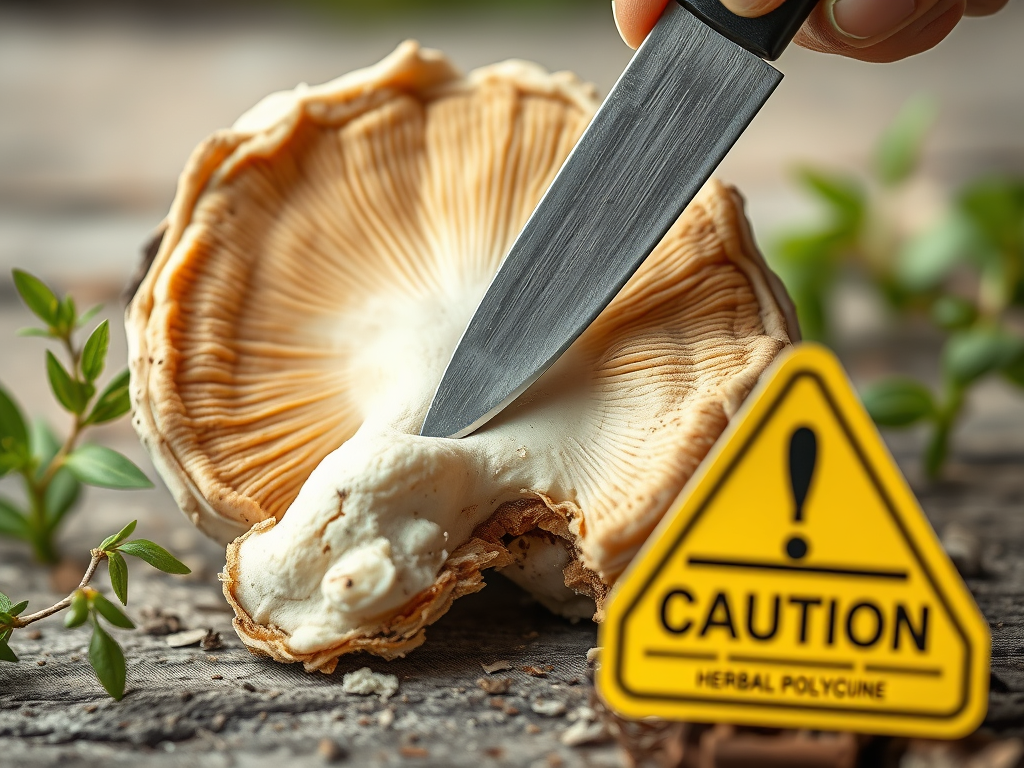
Birch Polypore (Fomitopsis betulina) is a fungus found on birch trees that resembles a hoof. It is dried to create teas, tinctures, powders, and creams for natural medicine, with the outer layer removed to access antioxidants and polysaccharides. Fresh mushrooms retain moisture and are easier to use, while dried ones need soaking or grinding. Foraging for these mushrooms fosters an appreciation for nature and promotes the protection of birch trees and their habitats.
The most commonly used part of Birch Polypore (Fomitopsis betulina) is its fruiting bodies, the visible, hoof-shaped structures that grow on birch trees. These fruiting bodies are typically harvested, dried, and used to make teas, tinctures, powders, or topical applications. The mushroom’s outer layer is often removed during processing, while the inner flesh is used to extract its beneficial compounds. It’s worth noting that fresh specimens are easier to cut and process, whereas dried ones require soaking or grinding before use.
Despite its many benefits, there are some cautions to consider when using Birch Polypore. First, proper identification is crucial if you plan to forage for this mushroom. While Birch Polypore is relatively easy to recognize, beginners should consult an expert or a reliable field guide to avoid confusion with other fungi, some of which are toxic. Additionally, it’s essential to source Birch Polypore from clean environments, as fungi can absorb pollutants from their surroundings.
Although Birch Polypore is generally safe for most people, some may experience mild digestive upset or allergic reactions. Those with mushroom allergies or sensitivities should avoid it entirely. If you are pregnant, nursing, or taking medications, consult a healthcare provider before use, as interactions or contraindications could occur. Moderation is key, and starting with small amounts is recommended to gauge your body’s response. Adhering to these precautions ensures a safe and beneficial experience with this medicinal mushroom.
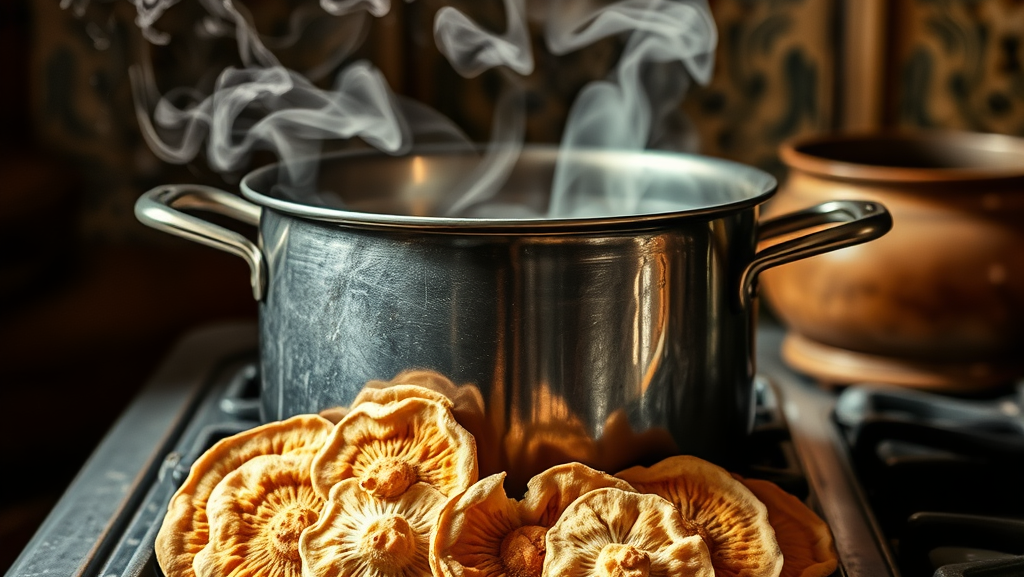
Birch Polypore (Fomitopsis betulina) is easy to prepare at home for health benefits. You can make tea by simmering dried slices or powder the mushroom for smoothies and baked goods. Tinctures can be made by soaking the mushroom in alcohol for a concentrated extract. These methods enhance meals while providing Birch Polypore’s benefits.
One of the most common uses of Birch Polypore is to make tea. To prepare it, slice the dried mushroom into thin pieces, as this increases the surface area for bioactive compound extraction. Combine about 1 to 2 teaspoons of the slices with 2 cups of water in a pot. Bring the water to a boil, then reduce the heat and let it simmer gently for 30 to 45 minutes. Strain the liquid before drinking. The resulting tea is earthy in flavour and can be sweetened with honey or combined with other herbs, such as ginger, to enhance flavour and potentially confer health benefits. Drinking Birch Polypore tea regularly is thought to support immune function, digestion, and overall health.
For a more concentrated option, tinctures are a great choice. A tincture involves extracting the mushroom’s compounds with alcohol or an alcohol-water mixture. To make a Birch Polypore tincture, you’ll need dried slices or powder, high-proof alcohol (e.g., vodka), and a carrier oil (e.g., olive oil). Over low heat, strain the mixture and store the oil for use.
When preparing Birch Polypore, always ensure you use clean, high-quality mushrooms, whether foraged or purchased. Properly drying or storing mushrooms ensures their effectiveness and longevity, allowing you to enjoy their benefits safely. Fill a glass jar about halfway with mushrooms, then cover them with alcohol, ensuring they are fully submerged. Seal the jar and let it sit in a cool, dark place for several weeks, shaking it every few days. After 4 to 6 weeks, strain the liquid and store it in a dropper bottle. This tincture can be taken by the dropperful, added to water, or even mixed into teas.
Another option is to prepare Birch Polypore as a powder. Dried mushrooms can be ground into a fine powder using a coffee grinder or similar device. The powder can be added to smoothies and soups, or sprinkled onto foods. It’s a convenient way to incorporate mushrooms into your diet without cooking or steeping.
For topical applications, Birch Polypore can be infused into oils or made into salves. This preparation is beneficial due to its antimicrobial properties, which may aid in wound care or the treatment of minor skin irritations. Simply infuse dried slices or powder into a
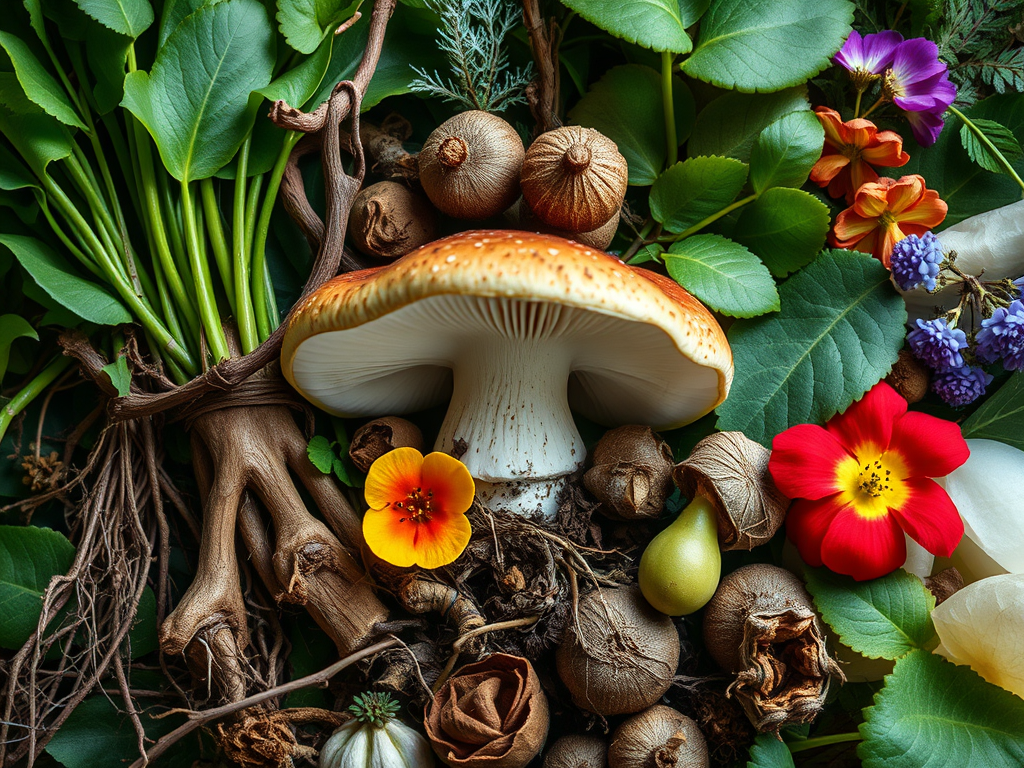
Birch Polypore (Fomitopsis betulina) is a medicinal mushroom found on birch trees, valued in traditional medicine by indigenous cultures. It contains bioactive compounds that may combat pathogens, reduce inflammation, and enhance immune function, as well as antifungal and antibacterial properties. Birch Polypore is gaining recognition as a potential aid for health.
Whether prepared as a tea, tincture, powder, or topical remedy, Birch Polypore offers practical applications for everyday wellness, from boosting immunity to supporting digestion and even aiding wound care. Research has shed light on its therapeutic potential, including promising studies on its role in managing inflammation, infections, and chronic conditions. Though more clinical trials are needed, it remains a valuable natural remedy with modern and traditional relevance.
Foraging or sourcing high-quality Birch Polypore products can help you incorporate this mushroom into your wellness routine. However, as with any medicinal herb or mushroom, it’s essential to use it responsibly and consult a healthcare provider to ensure it fits your individual needs. Birch Polypore is a remarkable example of how nature provides tools to support health and well-being when approached with care and respect.
Always consult with a qualified professional (such as a Medical Doctor, Health Advisor, or other relevant expert) before making any decisions or taking any actions based on the information presented here.

The Bible mentions herbs, roots, and leaves as gifts from God for food and healing, highlighting their importance for health. Key verses include Genesis, which praises plants; Ezekiel, which notes their healing properties; and Revelation, where the Tree of Life has healing leaves for nations, emphasizing nature’s role in God’s plan.
Food
Genesis 1:29: God provided “every plant yielding seed” and “every tree with seed in its fruit” for humans to eat.
Psalm 104:14: God causes plants to grow as food for both cattle and people.
Exodus 12:8; Numbers 9:11: “Bitter herbs,” possibly horehound, endive, or parsley, were to be eaten with the Passover lamb to remember the hardship in Egypt.
Proverbs 15:17: A simple meal of herbs shared with love is better than a feast with hate.
Job 30:4: In times of severe need, roots, such as those from the broom bush, were eaten.
For Medicine/Healing
Jeremiah 8:22: The prophet Jeremiah invokes the “balm in Gilead,” a well-known medicinal resin, and asks why healing has not occurred.
Ezekiel 47:12: A prophecy mentions trees by a river whose fruit is for food and whose leaves are for healing.
Revelation 22:2: The leaves of the Tree of Life in the New Jerusalem are described as being for the healing of the nations.
Isaiah 38:21; 2 Kings 20:7: Isaiah instructed that a cake of figs be applied to King Hezekiah’s boil for his recovery.

be the
Light
M A T T H E W 5 : 16





 Light in truth
Leave a comment